Proven Animal Extraction: Secure Your Dwelling and Property
Effective animal control is crucial for property owners facing potential threats from wildlife invasions. These intrusions can result in significant structural harm and safety concerns. Recognizing the importance of addressing animal problems is necessary. Understanding the indicators and learning when to seek expert assistance can prove invaluable. But what are the most frequent wildlife intruders, and how can one successfully safeguard against them? The solutions may surprise you.
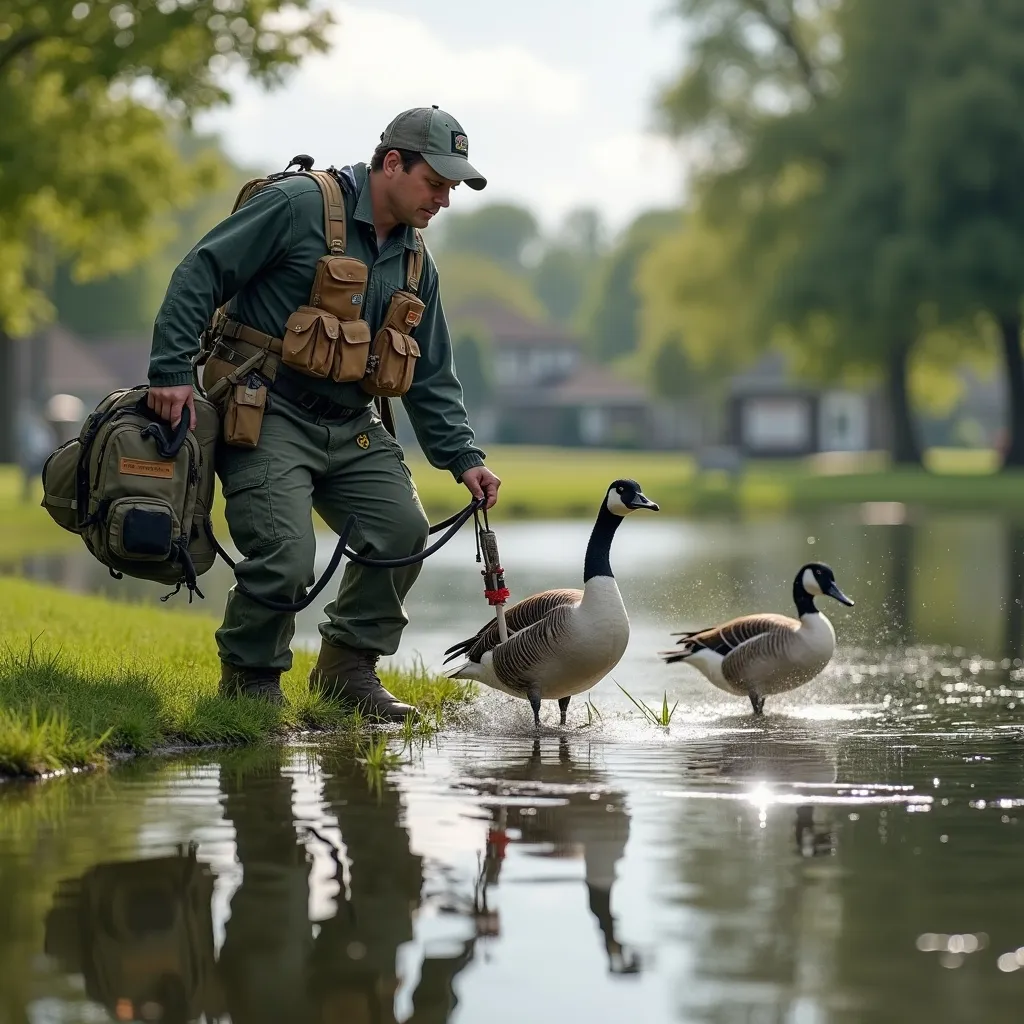
Why Prompt Action Is Essential for Wildlife Invasions
Wildlife intrusions can escalate quickly, causing notable damage and health risks. When animals breach residential areas, they can compromise structural integrity, chew through wiring, and contaminate food sources. Furthermore, the presence of wildlife can introduce diseases, posing serious health threats to both humans and pets. Quick action is vital to mitigate these risks and prevent further complications.
Failing to address the matter may produce costly maintenance and substantial restoration work. Additionally, certain species are capable of reproduce rapidly, increasing the population and exacerbating the situation. Timely intervention not only protects property but also guarantees a safer living environment.
Engaging skilled removal specialists can deliver practical remedies designed for distinct wildlife issues. Prompt action is crucial to reclaim calm and protect residences from the unpredictable nature of wildlife trespassing. Ultimately, fast response tactics can significantly decrease the risk of permanent harm and safety risks associated with these encroachments.
Evidence That You Possess a Wildlife Problem
How can one determine if an animal issue is lurking in the surrounding area? Numerous signs can indicate the arrival of unwelcome animals. Homeowners may hear unusual sounds, like scratching or scurrying noises, especially during the night. Moreover, droppings or tracks may surface on the property, displaying the kind of wildlife involved. Damage to insulation, electrical lines, or woodwork can likewise signal an intrusion, as many creatures search for shelter in upper spaces or crawl spaces.
One symptom involves eaten food wrapping or displaced garbage, demonstrating scavenging behavior. Also, holes or burrows near the foundation may point to entry points for critters. Unexplained odor, often linked to nesting or refuse, can be a notable red flag. Recognizing these indicators promptly is vital for effective control and prevention, ensuring that property owners can take action appropriately before the problem escalates.
Primary Strengths of Expert Wildlife Extraction Services
Hiring professional wildlife removal services provides many advantages for homeowners facing unwanted animal intrusions. Most importantly, experts bring specialized knowledge and expertise, guaranteeing safe and effective elimination of wildlife without causing harm to the animals or the property. These professionals employ sophisticated methods and tools, which can address complex situations that homeowners might not be prepared to handle.
Additionally, expert assistance frequently deliver detailed examinations to pinpoint likely access routes, contributing to the prevention of future infestations. This forward-thinking method not only eases current worries but also protects the home over the long term. Furthermore, many pest control firms deliver coverage plans or promises, offering homeowners peace of mind.
Lastly, relying upon authorities reduces the probability of injury from wildlife encounters, ensuring a safer environment for families and pets. Overall, investing in expert removal solutions can spare moments, strain, and potential infrastructure damage.
Finding Widespread Beast Intruders in Your Dwelling
Homeowners regularly face different kinds of wildlife that can intrude upon their living spaces, each creating distinct problems. Common intruders include raccoons, squirrels, and rodents, which can cause damage if not handled promptly. Raccoons are famous for raiding attics and basements, attracted by food sources or shelter. Squirrels often nest in roofs or eaves, causing potential structural damage. Rodents, such as mice and rats, can invade homes in search of food, leaving behind droppings and polluting living areas.
Also, feathered pests may slip through open vents or chimneys, creating noise and mess. Each kind carries specific risks, involving infection spread and building damage. Spotting the signs of these intrusions—such as droppings, nesting materials, or scratching sounds—can assist homeowners take quick action. Early recognition is essential in preventing further complications and maintaining a secure and sanitary living environment.
DIY versus Professional: Which Alternative Reigns Supreme?
When reviewing wildlife removal, individuals often consider the benefits of DIY methods compared to specialized assistance. Cost, safety, and long-term effectiveness are critical factors determining this selection. Understanding these components can help homeowners make an well-researched decision that ideally suits their needs.
Cost Review For Extraction
Choosing between do-it-yourself wildlife removal and contracting a professional can profoundly affect both scheduling and expenses. DIY strategies often seem cost-effective, as they usually require minimal upfront expenses, such as acquiring traps or deterrents. Nonetheless, underlying expenses may emerge from potential damages or repeat infestations. Conversely, experts often charge a greater upfront cost but provide proficiency, quickness, and guaranteed success. Experts have the required equipment and skills to manage multiple animal types safely and effectively, potentially helping homeowners avoid expensive errors. Ultimately, the decision copyrights on individual circumstances, including financial constraints, emergency level, and difficulty of the issue. Balancing these points aids in a wiser decision.
Security and Health Threats
Engaging in wildlife removal poses considerable safety and health risks, particularly when individuals opt for a DIY approach. Untrained individuals may encounter hostile wildlife, leading to potential bites and harm. Additionally, many wildlife species carry diseases such as rabies, hantavirus, or leptospirosis, posing major health hazards to those unprepared to handle them. Improper handling can also result in exposure to parasites like fleas and ticks, further endangering health. Conversely, professional animal control experts are equipped with the necessary skills, equipment, and expertise to mitigate these risks effectively. They follow standard safety procedures, ensuring both the well-being of animals and people. Overall, the expertise of professionals reduces the likelihood of accidents and health complications associated with wildlife removal.
Durable Efficacy Determinants
The long-term effectiveness of animal control methods depends upon various factors, particularly when contrasting DIY approaches with expert solutions. DIY techniques often miss the expertise and tools required for complete elimination and prevention strategies, resulting in repeated pest problems. Homeowners may inadvertently overlook access areas or fail to recognize the signs of a larger problem. In contrast, professionals have advanced expertise and knowledge, allowing them to identify and address problems more effectively. They also establish preventive measures to reduce future risks. Financial factors may drive individuals to DIY solutions, but investing in expert assistance can yield superior lasting outcomes. In the end, the choice between DIY and professional assistance should be guided by the difficulty of the animal control issue and the homeowner's willingness to invest in a lasting remedy.
Effective Techniques to Stop Wildlife Intrusions
Establishing robust measures to stop wildlife intrusions is vital for ensuring your home remains secure and calm. Homeowners should commence by safeguarding possible access openings. This means closing holes in structural bases, exterior surfaces, and roof sections, as well as placing screens on ventilation ducts and chimney structures. Furthermore, reducing available food is critical; properly containing waste and disposing of animal feed can prevent wildlife from approaching from nearing your home.
Landscaping holds an significant weight. Keeping trees trimmed and caring for a spotless yard limits spots where wildlife can hide. Also, deploying non-toxic deterrents, such as motion-activated lights or noise devices, can competently discourage animals from coming onto the property.
Routine inspections of the home and surrounding areas enable for the early identification of potential issues. In conclusion, informing family members about wildlife behavior promotes awareness, allowing preventive actions to be implemented. By adopting these strategies, homeowners can greatly reduce the likelihood of undesired animal invasions.
What Unfolds Throughout a Wildlife Removal Treatment?
During a wildlife removal service, professionals begin with a meticulous initial inspection to identify the breadth of the problem. Following the assessment, humane trapping methods are engaged to humanely secure the animals. Finally, post-removal prevention steps guarantee that later incursions are curtailed, insulating the estate from additional creature problems.
Initial Inspection Procedure
Wildlife removal services start by conducting a meticulous examination of the property to identify signs of infestation and potential entry points. Trained technicians carefully inspect both interior and exterior spaces, looking for feces, nests, or deteriorated insulation that reveal the presence of animals. They evaluate the building's structural condition, checking for gaps in eaves, vents, and foundations that may allow animals to access the property. This preliminary evaluation can utilize specialized tools to find underlying issues. The insights gathered throughout this inspection is essential for developing a tailored removal strategy, confirming that the treatment addresses the particular wildlife concern in an effective manner while minimizing risks to the property and inhabitants.
Compassionate Trapping Strategies
Many animal control companies emphasize ethical capture techniques to guarantee the safe relocation of animals. These experts use live traps designed to capture wildlife safely. Generally, bait is used to attract the animal, ensuring it steps into the cage willingly. After being caught, the animal is observed to minimize stress and discomfort.
After securing the creature, the service assesses its well-being and behavior before release. This process regularly requires transporting the animal to a assigned area far from human populated areas, making certain it can flourish in a suitable habitat. Throughout this process, the attention remains on the welfare of the creature, obeying local regulations and moral standards. By choosing compassionate trapping, groups promote a balanced coexistence between humans and wildlife.
Ways to Stop Problems After Removal
Once the wildlife has been successfully removed, the next critical phase focuses on preventive care to confirm that related problems do not take place in the future. This entails a thorough survey of the property to pinpoint feasible access spots, such as fractures in roofing, ducts, or support structures. Sealing these openings with correct materials is essential to deter future intruders. Also, house owners are suggested to sustain a orderly area by removing food sources and debris that could pull in wildlife. Installing barriers, such as barriers or cloth barriers, can further protect fragile locations. Frequent inspection and monitoring of the property confirm that any symptoms of animal presence are tackled promptly, safeguarding both home and property from upcoming intrusions.
Regularly Inquired Questions
What Local Legal Requirements Exist for Pest Animal Removal Providers?
Local regulations for animal removal services generally call for licenses, adherence to humane practices, and compliance with state laws covering specific species. These directives secure the safeguarding access now of each of wildlife and the community's safety and welfare.
How Can I Safely Discourage Animals Without Injuring Them?
To safely deter wildlife, one can use humane techniques including motion-activated lights, organic deterrents, and secure garbage containers. Additionally, keeping areas tidy lessens attractants, encouraging animals to seek alternative habitats.
When Do Animal Intrusions Happen Most Often Throughout Particular Seasons?
Wildlife trespassing tend to peak during spring and fall. Spring brings young animals foraging for food, while fall often sees creatures seeking warmth and shelter, increasing the likelihood of meetings with human habitats during these seasons.
What Can I Proceed if I Spot Unattended Wildlife?
Should you discover orphaned wildlife, watch from afar, prevent direct contact, and call nearby wildlife agencies or animal care centers for direction, making sure the creatures get proper treatment and assistance from experienced experts.
What Ways Can I Instruct My Family About Wildlife Safety?
To instruct the family regarding safe interactions with wildlife, one might arrange educational sessions, distribute resources about local species, establish protective outdoor practices, and encourage respect for wildlife habitats, generating consciousness and mindful engagement with nature.